
Corporate Escape Room Team Building That Actually Builds Stronger Teams

Why Corporate Escape Rooms Are More Than Just Games
Think about the last time your team really worked well together. Not just fine, but actually clicked.

If that memory feels fuzzy, you are not alone. Many teams today struggle with low energy, communication gaps, and a general sense of disconnection. You might have tried icebreakers, trust falls, or even awkward Zoom quizzes. But have you tried locking your team in a room and forcing them to solve puzzles together? It sounds wild. But here is the thing. Escape room corporate team building works because it does not feel like work at all.
In 2026, more companies are ditching boring training sessions for shared, high stakes fun. An escape room places your group in a scenario where every second counts. Research from organizational psychology shows that shared challenges with time sensitive goals create stronger bonds between teammates. When people solve problems under pressure together, they learn fast. They see who leads.

They see who notices the small details. They learn to communicate with clarity.
This matters even more for remote and hybrid teams. When your people sit in different cities, a shared immersive experience helps bridge the gaps they feel every day. A study published by the National Institutes of Health found that escape rooms require participants to practice teamwork, communication, and task delegation in real time. You cannot fake your way out of a locked room. You have to talk. You have to listen. You have to trust.
And here is the best part. You can tailor escape room scenarios to match your team’s exact struggles. Got silos between departments? Pick a puzzle that forces cross team collaboration. Low creativity? Choose a room that rewards wild ideas. The experience exposes hidden strengths and weaknesses in a way slides never will.
Want to keep the momentum going after the clock runs out? Check out our guide to 5 free online escape room games for team building in 2026 to bring that energy back to the office.
If your team could use a shared laugh and a fresh perspective, try a ridiculous sci fi comedy designed to spark joy and connection. Boost Morale With Humor with this fun read your whole team can enjoy.
The Science Behind Escape Rooms: Why They Work for Teams
So you tried an escape room with your team and it felt amazing. But why? Is it just the excitement, or is there real science behind it?
The answer is yes. Research in organizational psychology shows that shared challenges with time sensitive goals create stronger bonds between teammates. When your group faces a ticking clock, something shifts. Your brain stops treating the people around you as coworkers and starts seeing them as partners in a critical mission.
Here is how it works.
Problem solving under pressure builds trust. In a normal workday, you have time to think. You can send an email, check the data, or ask for clarification. In an escape room, you have seconds. A study published by the National Institutes of Health found that escape rooms require participants to practice teamwork, communication, and task delegation in real time. When you have to solve a puzzle with your colleague barking clues and a timer counting down, you learn to trust their instincts fast. You also learn to express your own ideas clearly. That skill does not disappear when you walk out the door.
Cooperative challenges release bonding chemicals. Your body responds to shared stress and shared victory. When your team escapes together, your brains release oxytocin, the hormone that strengthens social bonds. Research from Bonds Escape Room shows that teams who go through a genuinely difficult escape room together feel closer than teams who complete a smooth, easy exercise. The struggle matters. It makes the connection real.
Escape rooms match how adults learn best. Traditional training often uses lectures and slides. Adults do not learn well that way. They need to do, fail, and try again. Escape rooms follow the principles of experiential learning. You jump in, make mistakes, adjust, and succeed together. That is why escape room corporate team building works better than a boring workshop or even a helium stick team building exercise. It engages your brain on multiple levels and sticks with you long after the clock stops.
You also get to see hidden strengths. A quiet person might crack a code while the loud talker misses the clue. This helps you find common ground games back at the office because you know who is good at what. For team building activities for adults small groups, escape rooms are perfect. You only need four to eight people to make the magic happen. And if you want more group games to play after the escape room, the same collaborative energy carries over.
Want to keep that energy alive even when you are not in a locked room? Try adding quick brain teasers during breaks or using fun corporate activities that rebuild team energy and boost performance to maintain the momentum.
One more thing. After the adrenaline of an escape room, your team will want to laugh together. A ridiculous sci fi comedy can give your team a shared laugh that seals the bond. Boost Morale With Humor by checking out this fun read your whole team can enjoy.
Physical vs Virtual Corporate Escape Rooms: Choosing the Right Format
So you know escape rooms work. The science is clear and your team had a blast. Now you face a new question. Should you book a physical room or go virtual?
Here is the truth. Both formats deliver the same core benefit: escape room corporate team building that builds trust and communication.
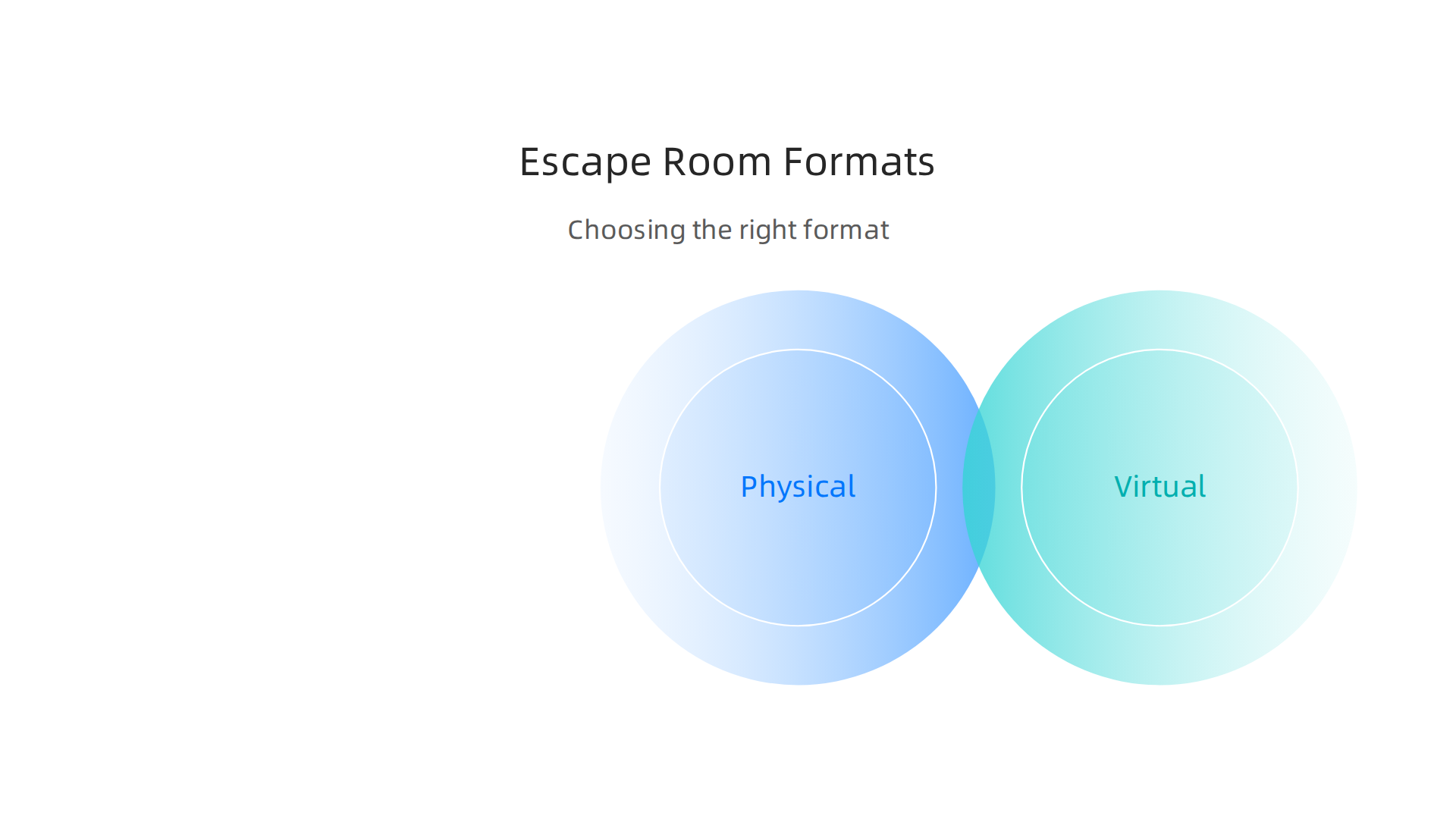
But they feel different, and each one fits a different kind of team.
Let us break it down.
Physical Escape Rooms: The Hands On Experience
If your whole team works in the same building, physical escape rooms are hard to beat.
You walk into a themed room. You touch real objects. You hear the lock click when a code works. That sensory immersion creates a powerful shared memory. Research from Dataintelo shows physical escape rooms still make up 58.3% of the market revenue in 2026. People still want the real thing.
Physical rooms work best for:
- Hands on learners who need to touch and move objects
- Local teams that can commute to the venue
- Small groups of 4 to 8 people who already trust each other
The downside? You need everyone in the same place at the same time. That does not work for remote teams.
Virtual Escape Rooms: Flexible and Scalable
Remote and hybrid teams changed the game. Virtual escape rooms now offer the same puzzle solving fun without the travel.
According to It’s Time to Escape, virtual escape room team building is accessible to teams regardless of their physical location. That means you can run one session with people in New York, London, and Tokyo all at once.
The best virtual experiences in 2026, as Events in Minutes notes, ship physical kits to participants and combine them with a live instructor over video. You get the tactile feel of a real puzzle plus the convenience of being home.
Virtual rooms are great for:
- Remote and hybrid teams who rarely meet in person
- Large groups that you can split into breakout rooms
- Budget conscious teams who want to skip venue costs
And here is a bonus. Virtual escape rooms are also perfect for quick team breaks. Check out this list of 5 free online escape room games for team building in 2026 if you want to try one without spending money first.
Hybrid Formats: The Middle Ground
Some providers now offer hybrid escape rooms. A facilitator runs the game live on video while one or two team members are in a physical space handling the props.
This format works when you have a split team. But it needs careful planning. The facilitator must keep remote players engaged and make sure they can see the clues. If you go this route, test your tech beforehand.
Which One Should You Pick?
| Format | Best For | Consider This |
|---|---|---|
| Physical | Co located teams of 4 to 8 | Higher energy, more immersive |
| Virtual | Remote or hybrid teams of any size | Scalable, no travel needed |
| Hybrid | Split teams with some in office | Needs solid facilitation |
Think about your team’s situation. If everyone is local, go physical. If people are scattered, go virtual. And if you have a mix, try hybrid with a good facilitator.
One last thought. No matter which format you choose, the real magic happens after the game ends. The laughs, the stories, the shared win. That is what builds lasting bonds.
Now, want to keep that energy going? Need a Fun Team Spark? Meet a sci fi comedy built for laughter and unexpected perspective. It is the perfect follow up to your escape room adventure.
How to Design a Custom Corporate Escape Room Experience
So you have picked your format. Now comes the fun part. Making the experience truly yours.
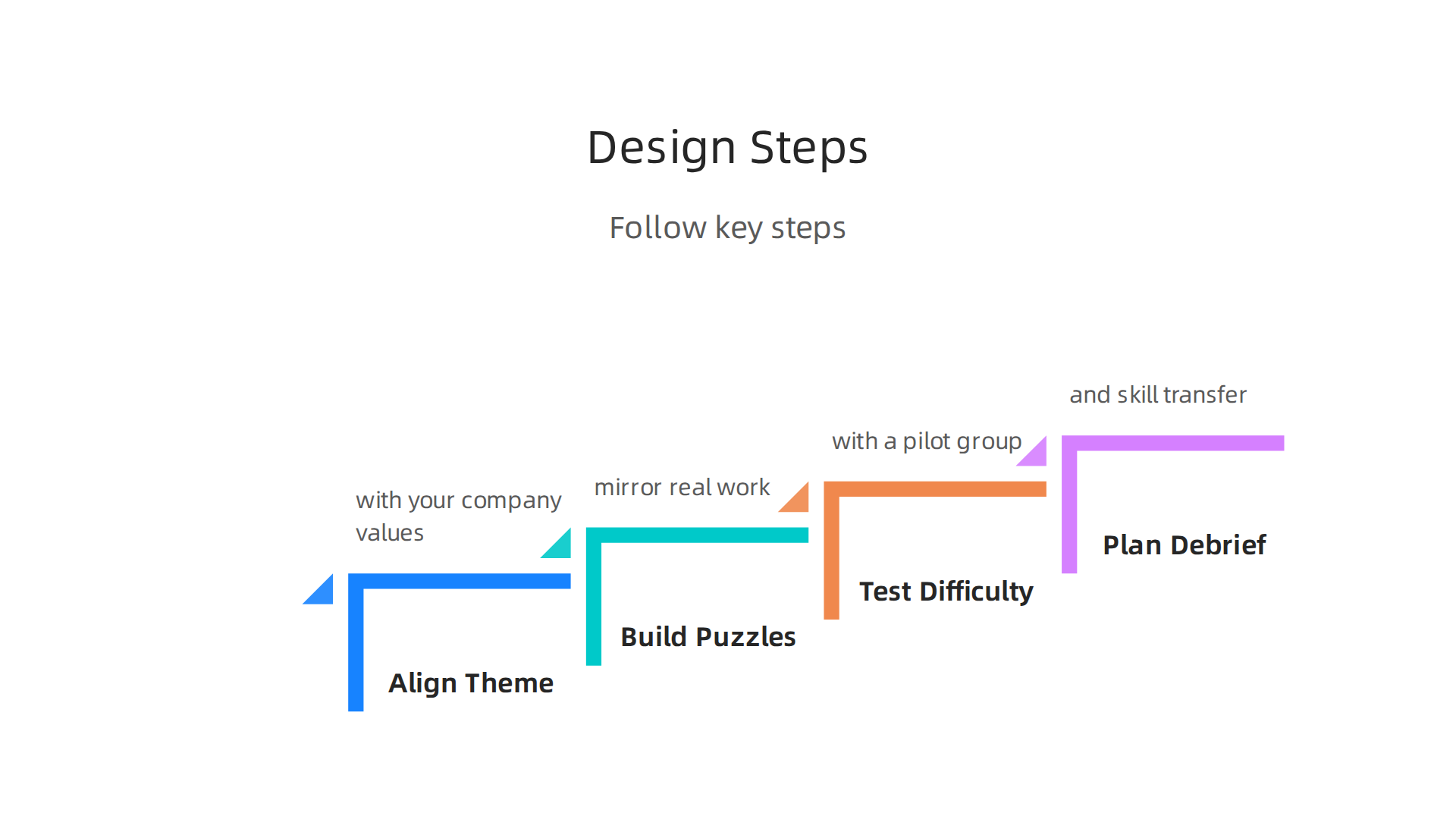
A generic escape room is fine. But a custom one that reflects your company’s values and challenges? That is where the real magic happens. In 2026, the corporate escape room market is booming, with a 42% surge in corporate quests reported. Teams are demanding more than just a good time. They want relevance.
Align the Theme With Your Company Values
The first step is picking a theme that matters to your team. Think about your company’s mission, inside jokes, or even a recent project. According to Wildly Different, some providers can weave your company information into the escape clues to make it a completely personalized experience.
For example, if your team just launched a new product, the puzzle could involve that product’s features. If your company values "customer first," design a scenario where the team helps a client solve a crisis. This approach makes the activity feel less like a game and more like a shared mission.
Build Puzzles That Mirror Real Work
Here is the real secret. The best custom escape rooms do not just test general logic. They test the skills your team actually uses every day. Adventure Games Inc explains that escape room team building transforms teamwork by improving communication and problem solving. Why not make those puzzles directly relevant?
Try these ideas:
- Sales teams: Create a puzzle where they unlock a "client’s needs" by analyzing a fake sales call transcript.
- Product teams: Have them debug a simple code or piece together a broken user flow.
- HR teams: Design a scenario where they match employee concerns to correct company policies.
This turns a fun activity into a training exercise. Your team practices skills they already use, but in a high pressure, low stakes setting. That is a win.
Test the Difficulty Level With a Pilot Group
You want the experience to challenge your team, not frustrate them. The best way to get that balance right is to run a pilot test first. Bond’s Escape Room notes that corporate team building with an immersive experience typically costs between $50 and $150 per person. You do not want to spend that money on a game that falls flat.
Gather a small pilot group from your team. Let them play through the custom puzzles. Watch where they get stuck and where they breeze through. Adjust the difficulty based on their feedback. Most providers, like Escape The Room, offer corporate events that can be adapted based on your needs.
Plan the Debrief and Skill Transfer
The game ends, but the learning should not. Plan a 15 to 20 minute debrief after the experience. Ask questions like:
- What communication style helped you solve the hardest puzzle?
- Who took the lead, and why did that work?
- How can we apply that same problem solving approach to next week’s project?
This turns fun into long term growth. It helps your team see the connection between the game and their daily work.
If you want more ideas for quick energizers that build on this momentum, check out these fun corporate activities that rebuild team energy and boost performance.
Ready to keep the energy going? Need a Fun Team Spark? Meet a sci fi comedy built for laughter and unexpected perspective. It is the perfect follow up to your escape room adventure.
Planning a Physical Team Building Event: Logistics and Best Practices
You have designed a killer custom escape room. But a great game can fall flat if the logistics are messy.
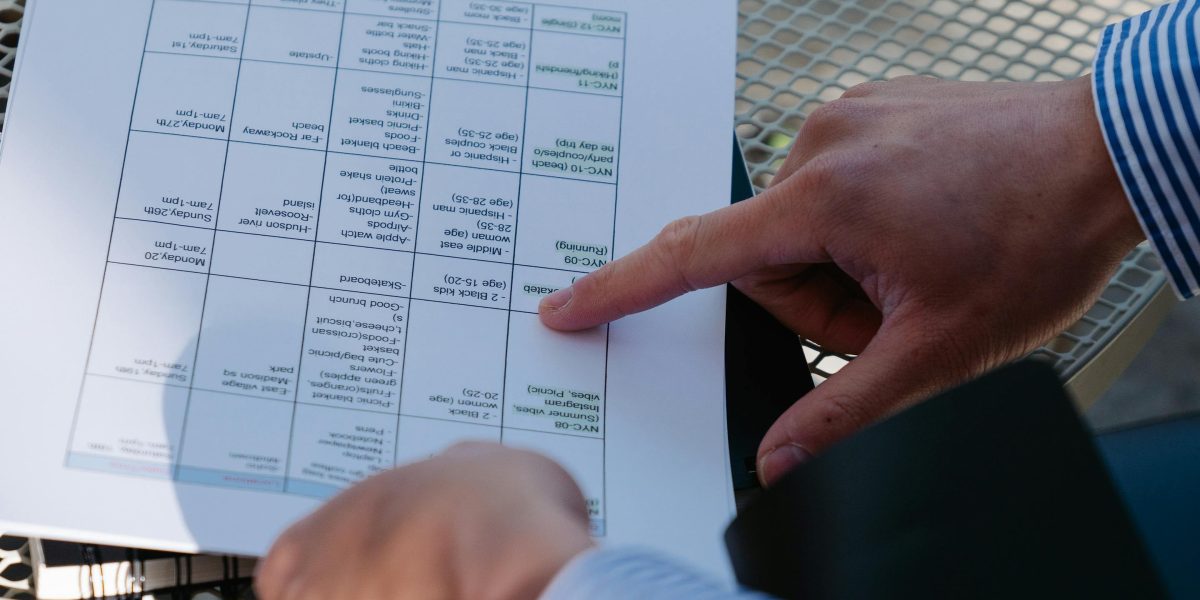
Here is how to set up your physical team building event so everything runs smoothly from start to finish.
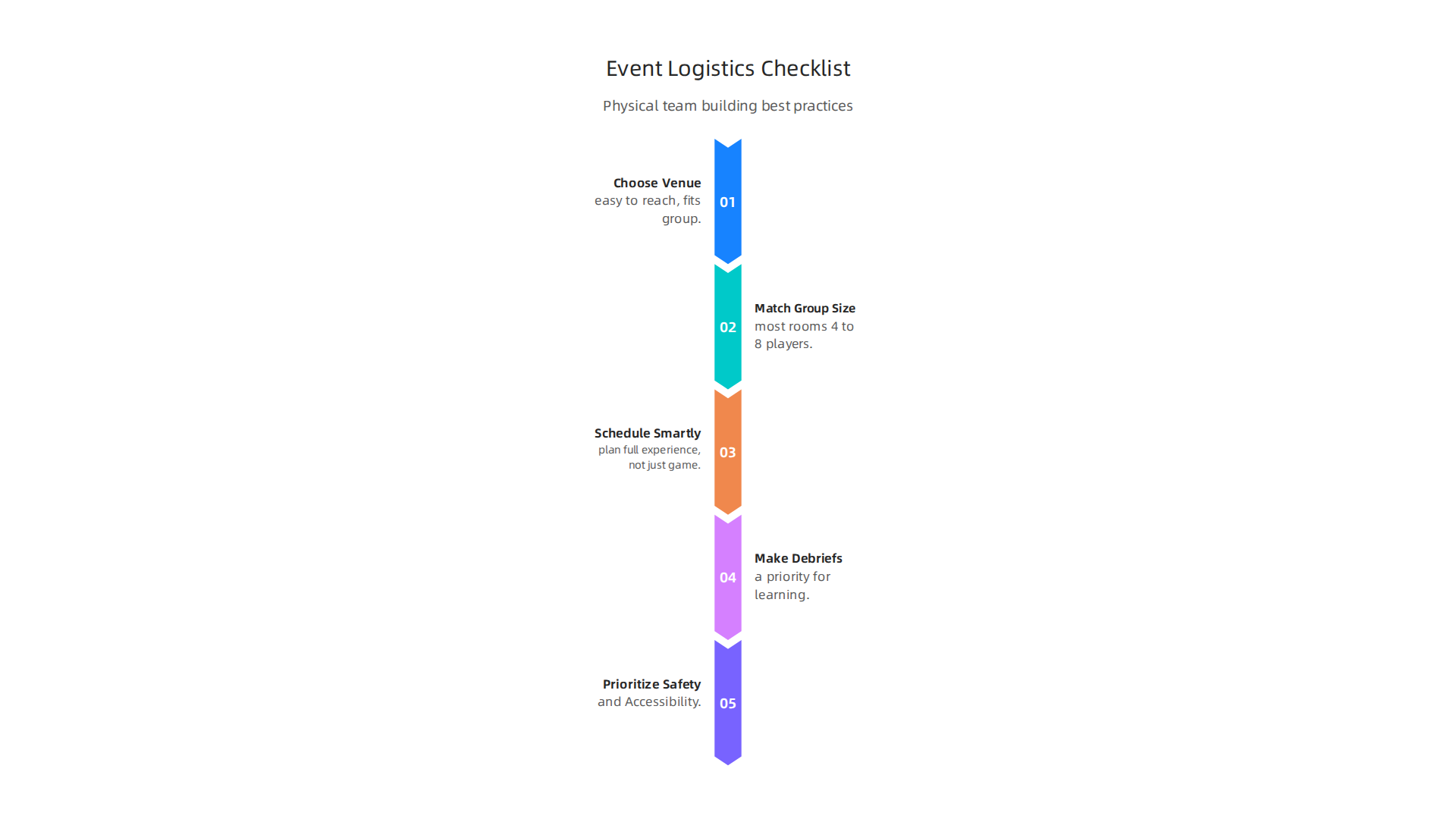
Choose the Right Venue
Your venue sets the tone for the whole experience. Physical escape rooms still make up the biggest slice of the market, accounting for 58.3% of industry revenue. That means you have plenty of options.
When picking a spot, think about these things:
- Location: Is it easy for your team to reach? Check parking, public transit, and travel time.
- Space: Does the room fit your group comfortably without feeling cramped?
- Ambiance: Does the setting match the theme you picked? Good immersion makes the game stronger.
Some providers come to your office. That removes travel stress and makes the whole event easier to manage.
Match Group Size to the Experience
Group size matters a lot in escape room corporate team building. Most physical rooms work best with 4 to 8 players. If your team is bigger, split into multiple groups and run the same game at the same time.
Here is the thing. Smaller groups let everyone speak up. That is a big deal for team building activities for adults small groups. Every person feels needed. No one hides in the background.
If you run multiple groups, make it a friendly race. The team that escapes fastest wins bragging rights. That keeps energy high.
Schedule Smartly
Time is your most valuable resource on event day. Plan for the full experience, not just the game itself.
A good schedule looks like this:
- 15 minutes: Arrival, introductions, and rules
- 45 to 60 minutes: The escape room game
- 20 minutes: Debrief and discussion
- 15 minutes: Wrap up and next steps
That is about 90 minutes total. Long enough to feel meaningful. Short enough to keep people engaged.
Make Debriefs a Priority
Do not skip the debrief. This is where the real learning happens. According to TriNet, escape rooms can help improve team communication and other vital skills. But only if you talk about it afterward.
Ask your team questions like these:
- What was the first thing you noticed when you walked into the room?
- How did you decide who would look for clues first?
- When did communication get messy, and how did you fix it?
These questions connect the game directly to workplace skills. Your team walks away with real insights, not just a fun memory.
Prioritize Safety and Accessibility
This one gets overlooked but it matters a lot. Make sure the venue works for everyone on your team. Check for wheelchair access, clear paths, and good lighting.
For group games to play, safety comes first. If there are physical challenges like climbing or crawling, offer alternatives. The goal is inclusion, not exclusion.
Also, tell your team what to expect ahead of time. Share details about the venue, any physical demands, and what to wear. This reduces anxiety and helps everyone feel ready.
Ready for the Next Step?
A well planned physical escape room event can transform how your team works together. The key is to handle the logistics with care, run a thoughtful debrief, and make sure everyone feels included.
Need a Fun Team Spark? Meet a sci fi comedy built for laughter and unexpected perspective. It is the perfect follow up to your escape room adventure.
Measuring the ROI of Corporate Escape Room Activities
You planned a great escape room. The team had fun. Everyone laughed. But did it actually make your team better? That is the question every manager asks after spending time and money on team building.
The good news is you can measure the return on investment (ROI) of your escape room corporate team building event. You just need to look at two kinds of results.
Qualitative Metrics: What You See and Hear
Start with what you can observe. How did your team act during the game? Did the quiet person suddenly speak up? Did people listen to each other? According to Adventure Games Inc, escape rooms improve communication, trust, and problem solving. You can see these changes in real time.
After the event, ask for feedback. Use an anonymous survey with questions like these:
- On a scale of 1 to 5, how much did you enjoy the activity?
- Did you feel heard by your teammates during the game?
- What is one thing you learned about your coworkers?
This kind of feedback gives you a clear picture of how people felt. It also shows you which team members might need more support.
You can also tie these observations to workplace skills. For example, if your team struggled with helium stick team building (where coordination is key), an escape room can reveal similar gaps in your daily work.
Quantitative Metrics: What the Numbers Say
Numbers do not lie. Look at hard data before and after the event. Some things to track:
- Employee engagement scores: Run a pulse survey a few weeks later. Did scores go up?
- Retention rates: Teams that bond together tend to stay together. Check if turnover drops in the months after.
- Project completion rates: Are deadlines being met more easily? Better communication often leads to faster work.
Research from Bonds Escape Room shows that a typical corporate event costs $50 to $150 per person. That seems small when you compare it to the cost of losing a good employee. Even a small boost in collaboration can save your company thousands.
Connecting to Bigger Business Goals
The real ROI comes when you link the escape room to your team’s everyday performance. Did the activity help your team solve problems faster? Did it reveal who is good at common ground games and who prefers leading?
The corporate quest market surged by 42% in 2026, according to Indestroom. Companies are investing because they see results. When you measure both feelings and facts, you get a full picture of the value.
Keep the Momentum Going
Measuring ROI is just the start. The real win is using what you learned to keep your team growing. After your escape room, try something light and fun to keep the bond strong.
Need a Fun Team Spark? Meet a sci fi comedy built for laughter and unexpected perspective. It is a perfect way to keep your team smiling after a challenging escape room adventure.
Integrating Escape Room Principles into Everyday Team Culture
So you measured the ROI. The numbers looked good. The team felt great. Now what? The real magic happens when you take what worked inside that locked room and bring it into your daily work life.
Think about it. In an escape room, everyone has a voice. People listen. Ideas flow fast. Failure is just part of the game. You try something, it does not work, and you try something else. That is exactly the kind of culture your team needs every day.
Bring Micro Challenges Into Your Week
You do not need a full escape room every month. Instead, use small puzzles and timed challenges during regular meetings. Escape room team building creates stronger teamwork by improving communication and trust. You can keep that energy alive with quick five minute brain teasers.
Try this. Start your Monday stand up with a riddle. Give your team three minutes to solve it together. The timer creates urgency. The shared goal builds connection. Over time, these group games to play become a habit that sharpens your team’s thinking.
Use Gamification to Keep Things Fun
Escape rooms use timers, clues, and a clear win condition. You can use the same elements at work. Set a timer for brainstorming sessions. Award points for creative ideas. Track progress on a visible scoreboard.
Research from Brainy Actz Escape Rooms shows these puzzle based activities demand various skills that boost employee engagement. When you turn daily tasks into small games, your team stays focused and motivated.
Build Psychological Safety
The best escape room teams share one thing. Everyone feels safe enough to speak up. No one worries about looking dumb. That is called psychological safety.
You can build this at work by praising effort over results. When someone shares a crazy idea, thank them. When a plan fails, ask what the team learned. This creates a culture where people feel free to escape from their silos and work across departments.
For team building activities for adults small groups, this safety is everything. It turns a group of individuals into a real team.
Keep the Energy Going
Integrating escape room principles into your culture does not have to be complicated. One small challenge each week. A few minutes of gamification. A consistent focus on safety. That is all it takes.
Need a Fun Team Spark? Meet a sci fi comedy built for laughter and unexpected perspective. It is a perfect way to keep your team smiling after a challenging escape room adventure.
Case Studies: Successful Corporate Escape Room Implementations
You do not have to wonder if escape room corporate team building really works. Real companies are already using it. And the results are impressive. Here are three real world examples that show how different organizations have used escape rooms to solve specific challenges.
Case 1: Tech Company Boosts Cross Team Collaboration
A mid sized tech company with over 200 employees was struggling with communication between its engineering and marketing teams. Silos had formed. Projects kept slowing down because teams did not understand each other. So the company started running quarterly escape room sessions.
Each quarter, they mixed people from different departments into one team. The puzzles forced everyone to share ideas and listen to each other. After one year, employee surveys showed a 30% improvement in cross team trust. Shared projects moved faster. People started talking to colleagues they had never worked with before.
As Escape Room Team Building Benefits for 2026 explains, these experiences build real connections that last beyond the room. The tech company kept the momentum by adding small fun corporate activities that rebuild team energy and boost performance between those quarterly sessions.
Case 2: Retail Brand Reinforces Safety Training
A national retail chain wanted to make safety training stick. Traditional videos and handouts were boring. Employees zoned out. So the training team designed a physical escape room themed around a warehouse emergency.
Teams had to find fire exits, identify hazards, and follow proper procedures to escape. It turned a dry topic into a hands on challenge. According to Innovative Team Building at Brainy Actz, these puzzle based activities demand skills like observation and quick decision making. That is exactly what safety training needs.
After the escape room sessions, the retail brand saw a 40% drop in safety incidents over the next six months. Employees actually remembered what to do because they had practiced in a fun, high stakes setting.
Case 3: Remote Startup Onboards New Hires Virtually
A fully remote startup with team members across four time zones needed a way to welcome new hires. Standard video calls felt cold. People joined but did not connect. So they started using virtual escape rooms during onboarding.
New employees joined a digital room with three current teammates. They solved puzzles together for 45 minutes. It gave new hires a chance to show their thinking style and build relationships instantly. The startup reported that new hires felt part of the team after just one session. Turnover dropped because people bonded faster.
For teams that want a similar approach, 5 free online escape room games for team building in 2026 is a great place to start. These games cost nothing and work for any remote team.
These three case studies prove that escape room corporate team building works in different industries and for different goals. Whether you need better collaboration, safer employees, or stronger remote connections, the same principle applies. A shared challenge brings people together.
Need a Fun Team Spark? Meet a sci fi comedy built for laughter and unexpected perspective. It is a perfect way to keep your team smiling after a challenging escape room adventure.
Expert Tips for Facilitating Escape Room Sessions
You have seen the case studies. Escape room corporate team building works. But here is the thing. The success of any session depends a lot on the person running it. A good facilitator turns a fun game into a real learning experience. A bad one leaves players frustrated.
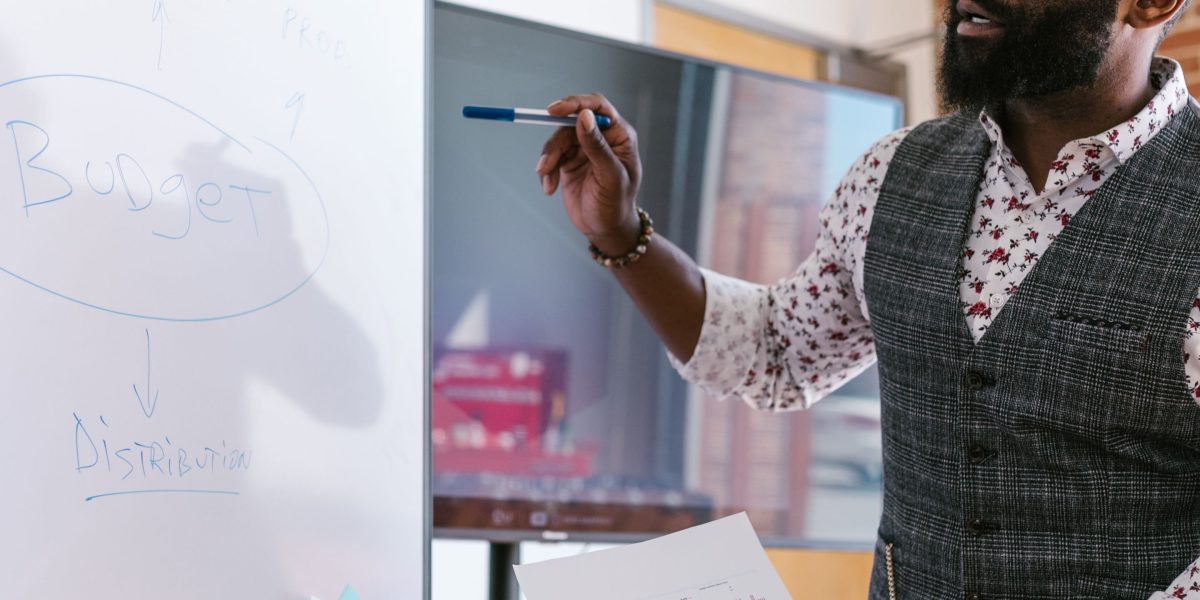
Here are some expert tips to help you run sessions that actually change how your team works together.
Set the Scene and Keep the Energy Up
Your job starts before anyone enters the room. Welcome the group warmly. Explain the story behind the escape room. Set the timer clearly. Let people know it is okay to ask for hints. As brainyactzescaperooms.com points out, fostering unity in a corporate setting often starts with a simple handshake. That warm start matters.
During the game, watch how people interact. Notice who is quiet. Notice who takes over. Step in gently if one person is doing all the talking. Encourage everyone to share ideas. Keep the energy positive. If the group feels stuck, offer a small hint to get them moving again. The goal is not to make it easy. It is to keep the team engaged and learning together.
Research from The Escape Game shows that these activities help teams find strengths and weaknesses in real time. As a facilitator, you get to see those patterns emerge. That is valuable information you can use later.
Debrief to Make the Learning Stick
The real magic happens after the timer stops. Do not just say "good job" and walk away. Guide a short debrief conversation. Ask questions like:
- What worked well in your communication?
- Who stepped into a leadership role naturally?
- When did the team get stuck, and how did you get unstuck?
These questions turn the game into a lasting lesson. According to Paniq Escape Room, shared challenges and time sensitive goals create stronger bonds between team members. But you have to help the team see the connection between the game and their daily work.
Keep the debrief positive. Highlight wins, not just mistakes. Tie the lessons back to real projects. For example, "You solved that puzzle by listening to each other. How can we do more of that in our Monday meetings?"
If you want to keep the momentum going between sessions, try some fun corporate activities that rebuild team energy and boost performance. These quick games help sustain what the escape room started.
Adapt Your Style for Different Teams
Not every group is the same. A team of five works differently than a team of fifteen. For larger groups, split them into smaller teams and have them compete. For small teams, focus on deep collaboration. For remote teams, use virtual escape rooms that everyone can join from anywhere.
Pay attention to team culture too. Some groups love loud competition. Others need a calmer, more structured approach. Watch body language. Adjust your tone and pacing as needed. The best facilitators are flexible. They do not follow a script. They respond to the energy in the room.
For teams that are new to this, start with something simple. You can find 5 free online escape room games for team building in 2026 right now. Those are great for low pressure practice.
Need a Fun Team Spark? Meet a sci fi comedy built for laughter and unexpected perspective. It is a perfect way to keep your team smiling after a challenging escape room adventure.
Summary
This article explains why corporate escape rooms are an effective team building tool and walks you through how to plan, run, and extract real value from them. It covers the research-backed reasons escape rooms build trust and communication, compares physical, virtual, and hybrid formats, and shows how to design custom puzzles that mirror real work. You’ll find practical logistics for in-person events, facilitator best practices, a sample schedule, and ways to measure ROI with both qualitative and quantitative metrics. The piece also offers tips on keeping momentum after the game by integrating micro-challenges and gamification into everyday work, plus real case studies that demonstrate measurable improvements in collaboration, safety, and onboarding. After reading, you’ll know which format fits your team, how to set up a meaningful debrief, and how to turn a fun session into lasting workplace change.