Find Another Word For Team: How Precision Language Transforms Group Dynamics

Why precision in team language matters (and what you’ll learn)
Have you ever wondered if everyone at your job calls the same group the same thing? Maybe some people say "team," while others say "group" or "unit." This might seem like a small thing, but it can cause big confusion. When we use different words for the same kind of group, especially if people work in different places, it can make things unclear. It becomes hard for everyone to know exactly what their job is or how they fit in.

This can really slow things down and make it tough to join teams and work together smoothly.
Actually, using the right words for your groups is super important. When roles are clearly understood, groups like incident response teams work much better. If you’re looking for another name for team that changes how your group works together, you’re thinking along the right lines.
This guide is built for teams and will help you understand why finding just the right words matters. We will look at many ways to say "another word for team." We’ll explain how the words you pick can actually change how people act and work with each other. For example, asking good team building questions for work can help everyone agree on what their group should be called and how it should work. You will learn easy steps that managers and HR people can use right away. These steps will help you choose the best words for all your groups. This way, everyone will be clear on their tasks, and work will flow better for everyone.
Need a Fun Team Spark? Meet a sci-fi comedy built for laughter and unexpected perspective.
When we talk about groups of people working together, "team" is a common word, but it’s not the only one. Actually, there are many ways to describe a group, and each word can give a slightly different feeling about what that group does or how it works. Understanding these differences can really help when you want to join teams or create new ones.
Let’s look at some common words you might hear instead of "team" and what they often mean:
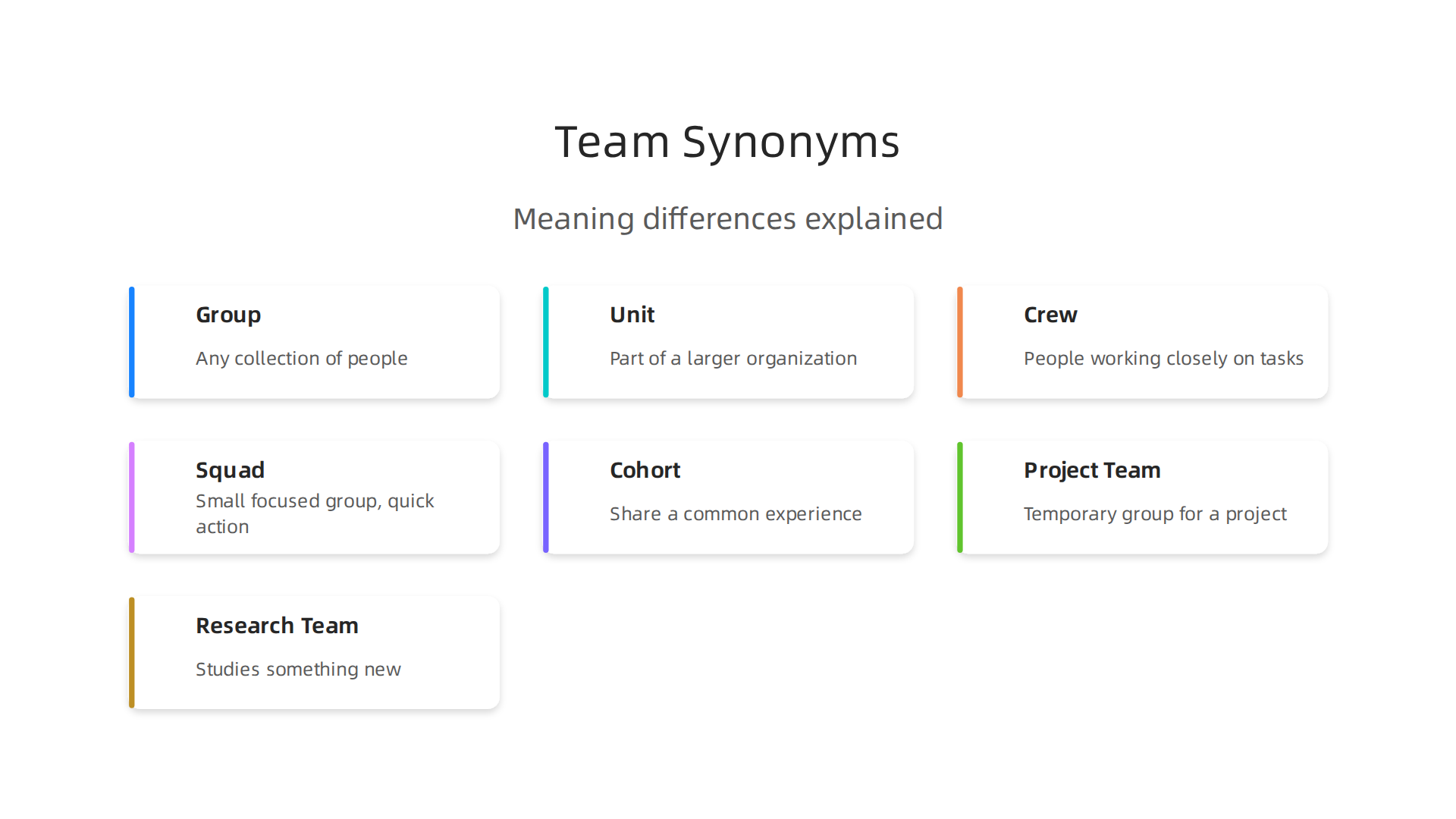
- Group: This is a very general word. A group can be any collection of people, big or small, formal or informal. Think of a "study group" or a "focus group." It doesn’t always mean people are working closely together or have a shared goal. They might just be gathered for one reason.
- Unit: This word often means a part of a larger organization. It suggests a more formal setup and a clear structure. For example, a "military unit" or a "hospital unit" has specific jobs and rules. These kinds of groups often stay together for a long time. Clear naming conventions and terminology are key for such structures, as highlighted in official documents like the National Soil Survey Handbook for scientific work.
- Crew: This word makes you think of people working closely on a specific task or mission, often with shared skills. A "film crew" or a "flight crew" works together to get something done. This word can sometimes mean the group is temporary, just for that one big task.
- Squad: This often points to a smaller, focused group, like in sports or military settings. A "soccer squad" or a "security squad" implies quick action, energy, and a clear, immediate goal. Members of a squad are usually tightly knit.
- Cohort: This word describes a group of people who share a common experience or journey over time. For example, a "cohort of new employees" going through training together. It suggests a shared path rather than just a shared task.
- Project Team: This is a very common alternative, specifically for groups working on a defined project. A "project team" comes together to complete a task and often disbands afterward. Agencies often use "project team" in planning documents, like the MHA Nation Drone Project which defines their approach.
- Research Team: Another specific type, often found in academic or scientific settings. A "research team" works together to study something new, like how the Leapfrog Group’s research team reviews literature for hospital surveys.
When you pick another word for team, think about what you want your group to feel like. Do you want it to be formal or informal? Permanent or temporary? Does it need to have very clear roles, or is it more about shared ideas? The name you choose can really help define your group’s purpose and how it operates. For more on making sure your group has clear roles and shared goals, consider how to create a good team definition.
The words we choose for a group are more than just labels. They really set the tone for how people think and act within that group.

When you pick another word for team, you’re shaping what everyone expects their role to be and how safe they feel.
How Language Changes What People Expect
Imagine calling your group a "special forces unit" versus a "collaboration circle." Right away, those names make you think of different things. A "unit" sounds like strict rules and clear orders, maybe less room for personal ideas. A "circle" sounds open, friendly, and all about sharing.
The name can tell people:
- What their job is: Does "squad" mean quick action and close ties, or does "committee" mean lots of discussion?
- How long they’ll be together: A "project team" usually has an end date, while a "department" feels more permanent. This idea of how long a group lasts can really affect how much effort people put in and how deep their relationships become.
- Who makes the big choices: Some names suggest a leader, while others suggest everyone has a say.
Feeling Safe and Working Together
The right word can also help build something called "psychological safety." This means people feel safe enough to share new ideas, ask questions, or even say they made a mistake without fear of being put down. When a group feels safe, it’s easier to talk openly and honestly. Studies show that building trust and encouraging new ideas are key for groups, especially as more people work from different places these days Strategies to Improve Team Cohesion Among Hybrid and Remote Teams.
For a group to be truly built for teams, good names help everyone know what is okay and what isn’t. It helps with team building questions for work, too. If everyone knows the rules and what’s expected, they can focus more on their goals and less on worrying about how they should behave.
Think about it: a team that feels like a "family" might handle problems differently than a "task force." The language you use sets the stage for everything that follows, from how decisions are made to how everyone works together. It guides how people act and how happy they are to be a part of the group.
Having fun together can also really help with team morale and connection. If your team could use a good laugh, consider a funny story. A ridiculous sci-fi read can give your team a shared laugh. You might want to check out Boost Morale With Humor.
When you think about the different kinds of groups people join teams for, it’s clear that not every group is the same. Just like choosing another word for team can change how people feel, the type of team itself sets rules for how everyone works together. Let’s look at some common team types you might find and what makes each one special.
Different Kinds of Teams and What They Do
Companies often use different words to describe their groups because each word points to a specific way of working.
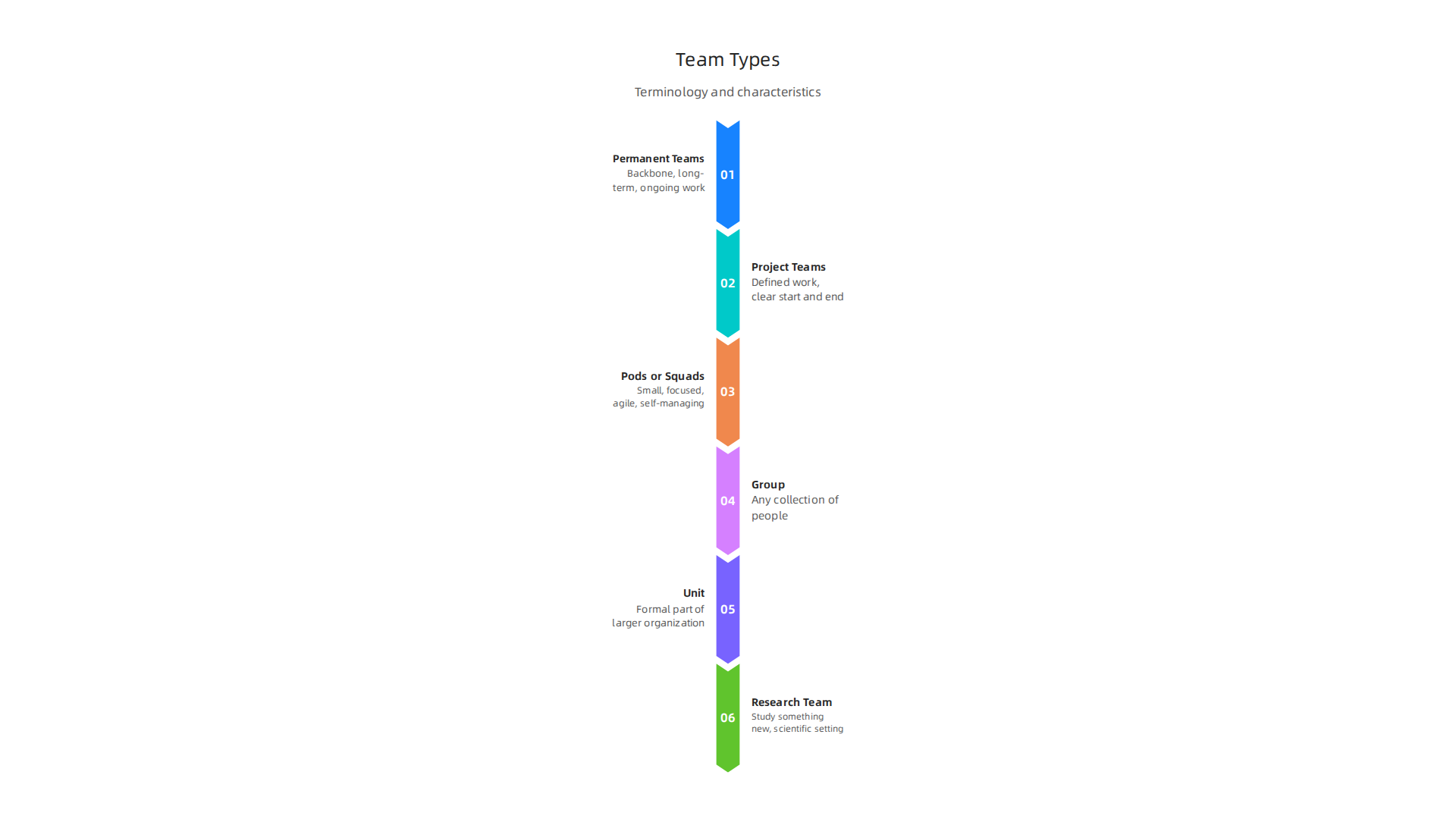
- Permanent Teams: Think of these as the backbone of a company. They are usually departments, like the sales team or the human resources group. These teams stay together for a long time, often with the same goals and leaders. They handle ongoing work and make sure the company runs smoothly day by day. Their roles and responsibilities are usually very clear, which is important for smooth operations, as highlighted in guidelines for effective incident response teams in organizations STATE OF NORTH CAROLINA – North Carolina Community College ….
- Project Teams: These teams are put together for a special job that has a clear start and end. Once the project is done, the team often breaks apart. For example, a group of people might form a "project team" to launch a new product or improve a certain process. They often have a specific task to define and develop, like planning for new technology initiatives MHA Nation Drone Project: Planning and Protocol Development. Their focus is usually on reaching that one big goal.
- Pods or Squads: These are often smaller, very focused groups. You’ll hear these names a lot in fast-moving tech companies. Pods or squads usually work on a specific part of a product or service. They are "agile," which means they can change direction quickly and make decisions together without waiting for too many approvals. They are often self-managing, meaning they take ownership of their tasks from start to finish.
How Labels Affect a Team’s Life
The name given to a team isn’t just a simple label; it actually shapes how the team operates in several key ways:
- How Long the Team Lasts: A "department" implies forever, while a "project team" means it’s temporary. This affects how deeply members connect and how much they invest in long-term plans.
- Who Gets What Resources: Permanent teams usually have a set budget and staff. Project teams might get resources for a limited time. Pods or squads often have dedicated resources for their specific area. How resources are assigned can be guided by larger organizational plans and frameworks The Ultimate Guide to Enterprise Architecture Frameworks (2026).
- How Success is Measured: For permanent teams, success might be about keeping things running well over time or meeting yearly goals. For a project team, success is all about finishing the project on time and within budget. For pods or squads, it might be about how quickly they deliver new features or solve specific problems for customers.
Understanding these differences helps leaders and team members set realistic expectations. It also helps when you’re asking team building questions for work, because the right questions depend on the type of team you’re building. Making sure a team is truly built for teams means giving it the right structure and name from the start. A clear understanding of these elements can also be part of a team charter, which helps everyone stay aligned and build trust.
Understanding what kind of group you have is the first step. But how can you tell if your team is really working well together? Sometimes, the way people talk and act gives clear clues about problems. Paying close attention to these signals can help you fix issues before they grow bigger.
Diagnosing Team Dynamics: Language Signals to Watch For
The words people use can show how they feel about their team. When everyone feels like they are truly part of the group, they’ll use words like "we" and "us." They’ll say, "We finished the project," or "Our team did a great job." This shows a strong sense of unity and shared purpose.
But watch out for the word "they." If you hear team members say things like, "They told us to do it," or "That’s their problem," it’s a big warning sign. This "they" language often means there’s a disconnect. People might feel like outsiders, even if they are supposed to be on the same team. It suggests a lack of belonging and could mean the team is not truly built for teams.
Other language signals to notice:
- Blaming others: If people quickly point fingers at other team members instead of working together to solve problems.
- Talking about "my" tasks instead of "our" goals: This can show a lack of shared ownership and focus on individual work over team success.
- Quiet meetings: When people are unwilling to share ideas or speak up, it can mean they don’t feel safe or connected to the group.
Simple Ways to Spot Problems
Managers can use easy methods to check on team health.
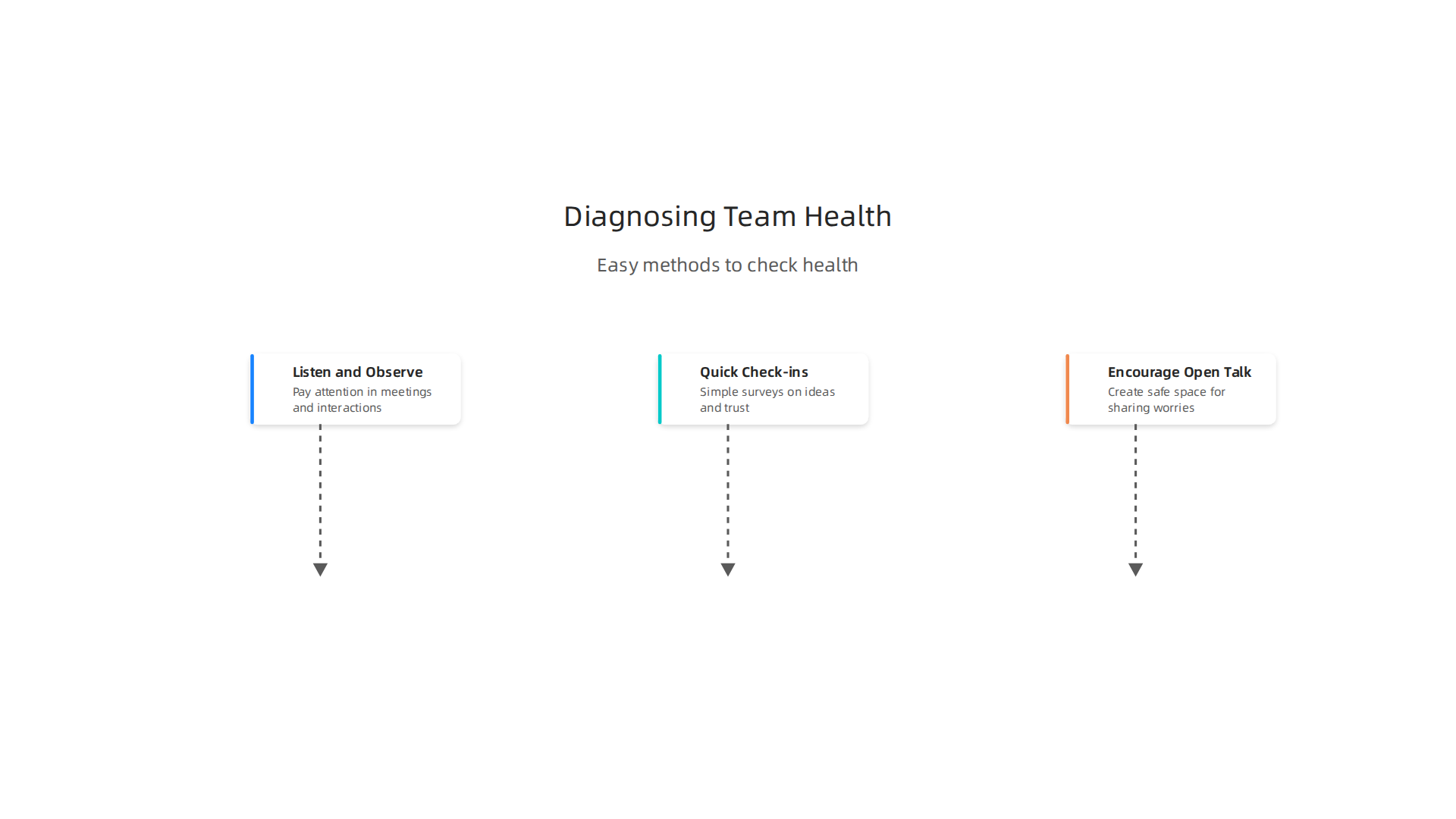
- Listen and Observe: Pay attention in meetings. Who talks? Who stays quiet? Do people help each other, or do they only focus on their own work? How do team members react when new ideas come up or when things go wrong? These observations can tell you a lot about how people feel about their team and their role in it.
- Quick Check-ins or Surveys: You don’t need a long, complicated survey. Simple questions can reveal a lot. Ask team members:
- "Do you feel like your ideas are heard?"
- "Do you trust your teammates?"
- "Do you feel like you belong here?"
Many useful tools exist, like a Team Effectiveness Questionnaire that helps measure different parts of how well a team works. These short surveys can give you a clear picture of how united the team feels.
- Encourage Open Talk: Create a space where people can share their worries or ideas without fear. Sometimes, just asking the right team building questions for work can open up important conversations.
By watching and listening, and by using simple checks, you can quickly see if your team’s language and actions show good teamwork or if there’s a need to bring people closer together. When you notice these signs, you can then take steps to improve communication and make sure everyone feels like they truly join teams rather than just being assigned to them. Sometimes, a little fun can make a big difference in team connection.
Need a Fun Team Spark? Meet a sci-fi comedy built for laughter and unexpected perspective.
Practical Strategies: Aligning Terminology with Team Design
Spotting problems in your team is a great start. But what comes next? You need to take action to make things better. One powerful way to shape how people feel about their work group is by carefully choosing the words you use to describe it.

Thinking about another word for team can actually change how your group works together. When you pick the right name for your group, it helps everyone understand their purpose and how they fit in.
Guidelines for Choosing Labels
The words we use matter a lot. If you want a group to feel like a close-knit family, you might call them a "unit" or "crew." If they need to be fast and flexible, maybe "squad" is better. The key is to match the name to the goal.
Here are some tips:
- Think about the feeling: What kind of feeling do you want your team to have? Do you want them to feel like problem-solvers, innovators, or a support system?
- Keep it clear: Make sure the new term is easy to understand and tells people what the group is about.
- Get input: Sometimes, the best way to choose a name is to ask the team themselves! This makes them feel like they are part of the change.
Changing the name or how you talk about your group helps everyone get on the same page. It helps them feel truly built for teams from the ground up.
Communicating Changes and Resetting Expectations
Once you’ve chosen a new way to talk about your team, you need to share this change with everyone. This is a bit like a "change management" process. You can’t just announce a new name and expect everyone to adopt it overnight. You need a plan to help people understand why the change is happening and how it will make things better.
A good change management plan helps you explain what’s different and what’s expected from now on. This includes showing how the new terms connect to new ways of working or new team goals. For example, you might explain that calling your group a "squad" means you expect them to be agile and quick to react, which is different from a more structured "committee." You can learn more about creating a smooth transition with a guide like How to Create a Change Management Plan in 5 Steps – Atlassian.
Activity Ideas to Build Buy-in
To help everyone truly join teams with the new language and goals, try these simple activities:
- "Our New Identity" Discussion: Start a meeting by asking, "What does it mean to be a ‘squad’ (or whatever your new term is)? How will we act differently now?" Let everyone share their thoughts.
- Team Charter Workshop: Work together to create a simple document that explains the team’s new purpose, roles, and how they will work together. This helps cement the new expectations. Learning How to Build a Team Charter That Boosts Alignment and Trust can be very helpful here.
- Story Sharing: Ask team members to share a short story about a time they felt like a strong "squad" or "unit." This helps them connect the new term to real feelings and experiences.
These activities help team members not just hear the new words, but truly feel them. They help everyone understand and accept the new way of talking about their group. A bit of fun can also help everyone feel more connected. If you’re looking to lift spirits and get everyone laughing together, consider a light-hearted read. Boost Morale With Humor and give your team a shared laugh.
Maintaining Consistent Terminology and Momentum in Remote and Hybrid Teams
Building a strong team identity with the right words is a great step. But what happens when your team isn’t all in one place? Many teams today work remotely or in a mix of office and home settings, called hybrid teams. Keeping everyone on the same page with your chosen another word for team becomes a new kind of challenge.
When team members are spread out, it’s easy for small differences to grow.
- Cultural Drift: People in different places might have different ways of understanding things. This can lead to what experts call "cross-cultural communication" challenges, making it harder for everyone to truly join teams with the same mindset. For example, if one part of the team sees "squad" as a fast-moving, independent group, while another sees it as a close-knit, supportive family, you can run into trouble.
- Asynchronous Communication: Not everyone works at the same time. Messages sent overnight might be read differently than if you were talking face-to-face. This can make it hard to explain the true meaning behind your team’s chosen label or new ways of working.
- Label Drift: Over time, without regular reminders, people might slowly stop using the new team language. The old ways of talking can creep back in, weakening the shared identity you worked to build. Studies show that teams in different places can also have lower trust and more conflict, which hurts consistency even more, according to 4 Challenges of Virtual Teams and How to Address Them. This also connects to feelings of loneliness and isolation that can happen in remote work, affecting well-being and how much work gets done, as noted in Loneliness and Isolation in the Era of Telework – PMC.
To keep your team’s identity strong in 2026, especially if it’s a remote or hybrid setup, you need tools and habits.
- Shared "Team Dictionary": Create a simple document online where you list your team’s special words and what they mean. If you use "crew," explain what being a "crew member" means for your group. This helps new people understand the culture right away.
- Regular Check-ins: Use video calls to have quick "team building questions for work" sessions. Ask things like, "What does our ‘unit’ achieve this week?" or "How did we act like a strong ‘squad’ today?" This keeps the language active and part of daily discussions.
- Digital Team Spaces: Make sure your shared online spaces (like chat rooms or project boards) reflect the new terminology. Use your chosen "another word for team" in channel names or project descriptions.
- Workshops on Remote Connection: Workshops can help strengthen coping strategies and promote a shared understanding of how to work together, even from afar. You can find more on this in Maintaining Balance and Wellness in Remote Work. These can help ensure everyone feels truly built for teams even when not physically together.
By being mindful and using these simple tools, you can ensure your team’s chosen language stays strong, no matter where everyone is working. This helps build a team that feels connected and works well together.
Looking for more ways to keep spirits high and teamwork strong in a remote setting? Need a Fun Team Spark? Meet a sci-fi comedy built for laughter and unexpected perspective.
Summary
This article explains why choosing precise language for work groups matters and shows how the words you use shape expectations, behavior, and psychological safety. It compares common alternatives to